Exploring different cultural views on gambling traditions across the globe
The Historical Roots of Gambling
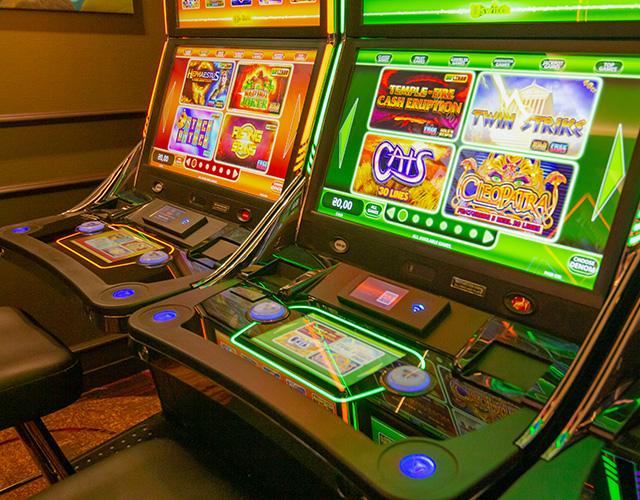
Gambling has been a part of human culture for millennia, with its origins tracing back to ancient civilizations. Archaeological findings suggest that the practice was prevalent in Mesopotamia, Egypt, and China, where dice and betting games were used for both entertainment and divination. These early games set the stage for how gambling would evolve, reflecting societal norms and values of the time. Today, many people enjoy various forms of entertainment, such as slot games, which continue to highlight gambling’s deep roots in culture.

In many cultures, gambling was not merely a pastime but often intertwined with religious practices. For example, ancient Greeks and Romans incorporated games of chance into their festivals, believing that luck and fate were influenced by the gods. This historical context highlights the deep-rooted significance of gambling in shaping cultural identities around the world.
Diverse Approaches to Gambling Practices
The perception of gambling varies significantly across different cultures, often influenced by religion, social norms, and economic conditions. In some cultures, like those in Las Vegas or Macau, gambling is celebrated as a major entertainment and tourism industry. These locations thrive on the notion that gambling is a glamorous and thrilling way to enjoy life, contributing significantly to their local economies.
Conversely, in certain societies, particularly where religious beliefs discourage such activities, gambling is often viewed with skepticism or outright disapproval. For instance, in many Islamic countries, gambling is strictly forbidden, and engaging in such activities can result in severe penalties. This dichotomy showcases the varied attitudes and practices surrounding gambling traditions worldwide.
The Role of Gambling in Social Settings
In numerous cultures, gambling serves as a social bonding activity. For example, in many Asian countries, games like Mahjong or Pai Gow are played during family gatherings and festivals, emphasizing communal ties and shared experiences. These gatherings provide a space not just for competition, but also for laughter, storytelling, and camaraderie.
On the other hand, in Western cultures, gambling is often associated with nightlife and adult entertainment. Casinos and betting establishments create environments designed for social interaction, where people come together to celebrate events or unwind after a long week. This aspect of gambling highlights its role as a facilitator of social connections and entertainment.
The Impact of Technology on Gambling Traditions
In recent years, technological advancements have significantly altered the landscape of gambling. Online gambling platforms have emerged, allowing people to place bets from the comfort of their homes. This shift has opened up gambling to a broader audience, transcending geographical barriers and making it more accessible.
However, the rise of online gambling has also sparked debates about its implications on traditional gambling practices. While it offers convenience, concerns about addiction and the potential loss of community aspects associated with in-person gambling have been raised. As cultures continue to adapt to technological changes, the future of gambling traditions remains an intriguing area of exploration.
Understanding Geographical Restrictions on Gambling Access
The global landscape of gambling is complicated by geographical restrictions that affect accessibility. Many regions enforce strict laws governing gambling, which can lead to frustration for enthusiasts wishing to engage in online betting or casino activities. This situation is particularly relevant for users in areas where gambling is heavily regulated or entirely prohibited.
Such restrictions highlight the importance of awareness and understanding of local gambling laws. As different countries adopt various stances on gambling, potential users must navigate these complexities to fully grasp their rights and limitations. Being informed can help individuals make educated choices about their gambling experiences, enhancing their engagement with this multifaceted cultural tradition.